
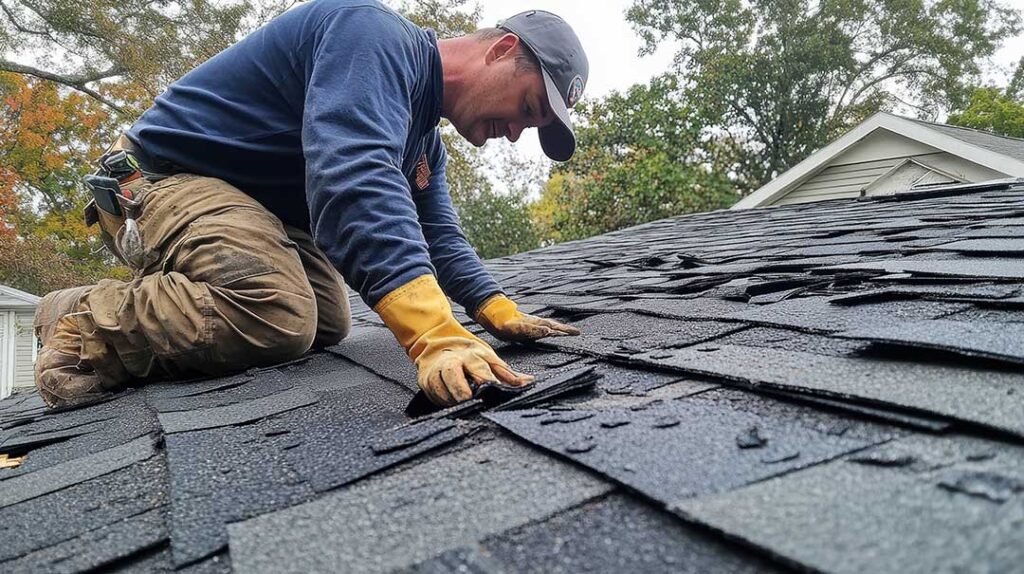
Why does preventive roof maintenance matter?
Preventive roof maintenance helps identify small problems before they become structural, interior, or safety concerns. A loose flashing edge, blocked drainage path, or damaged shingle may be relatively manageable when found early but far more disruptive after months of moisture exposure.
For homeowners in Clifton Springs, NY, regular roof care is especially useful because roofs must withstand changing conditions throughout the year. Freeze-thaw cycles, wind, heavy rain, snow, ice buildup, and damp periods can gradually weaken roofing materials and the areas around them. Maintenance does not make a roof last forever, but it can help preserve its intended performance and reduce avoidable damage.
What does preventive roof maintenance include?
Preventive maintenance is a planned review of the roof and related drainage components, rather than waiting for a leak or visible failure. It commonly includes:
- Looking for cracked, curled, slipped, or missing roofing materials
- Checking flashing around chimneys, vents, skylights, valleys, and roof edges
- Inspecting gutters, downspouts, and areas where water may collect
- Removing leaves, branches, and other debris that hold moisture
- Examining exposed sealants and metal components for deterioration
- Checking attic areas for damp insulation, staining, mold-like growth, or daylight
- Reviewing past repairs to see whether they remain secure
The goal is not to make unnecessary changes. It is to understand the roof’s current condition, correct minor defects when appropriate, and track changes over time.
How does maintenance extend roof life?
Roofing materials age through repeated exposure to moisture, sunlight, wind, temperature changes, and physical stress. Preventive care can slow some of the damage by keeping water moving away from vulnerable areas and addressing openings before they spread.
For example, a small break in flashing may allow water to reach sheathing or framing. If that opening is found early, the affected area may remain limited. If water repeatedly enters during rain and snowmelt, the surrounding wood can absorb moisture, lose strength, and contribute to a much larger repair.
Maintenance also helps identify ventilation and drainage problems. Poor attic airflow can increase condensation during cold weather, while clogged or poorly directed drainage can leave water against roof edges, siding, trim, or foundation areas. These conditions may not create an obvious ceiling stain immediately, but they can shorten the useful life of multiple building components.
What seasonal conditions are most concerning?
Different weather patterns create different types of roof stress. In this region, the transition between seasons can be more damaging than a single storm because materials repeatedly expand, contract, freeze, and thaw.
Winter and early spring
Snow and ice add weight and can expose weak areas in the roof system. Ice dams may form when heat escapes unevenly through the attic and melts snow on part of the roof. The water can then refreeze near colder edges and work beneath roofing materials.
Homeowners should watch for:
- Icicles associated with uneven roof-edge melting
- Water stains on ceilings or upper walls
- Damp attic insulation
- Sagging gutters or roof-edge components
- Shingles displaced after strong wind
Snow should not be removed from a roof by untrained individuals. Walking on a snowy or icy roof can cause falls and damage roofing materials.
Spring
Spring inspections can reveal damage that was hidden by snow or difficult winter access. Wind may loosen materials, while repeated freezing and thawing can widen cracks around flashing and masonry.
Gutters and downspouts also deserve attention. Debris left from late fall and winter can prevent proper drainage during spring rain. Water overflowing near roof edges may contribute to fascia damage, basement moisture, or erosion around the foundation.
Summer
Hot, sunny conditions can accelerate aging in exposed roofing materials and sealants. Strong thunderstorms may bring wind-driven rain, branches, or other debris. After a severe storm, a ground-level inspection can help identify obvious changes without creating the risks associated with climbing onto the roof.
Autumn
Falling leaves can collect in valleys and drainage channels, especially where nearby trees overhang the roof. Organic debris retains moisture and may encourage surface deterioration. Clearing drainage areas before the wettest and coldest periods can reduce avoidable strain.
How much money can preventive maintenance save?
The exact savings depend on the roof’s age, design, materials, previous repairs, and the extent of any hidden damage. Preventive maintenance does not guarantee lower costs in every situation, but it can reduce the likelihood that a minor defect will become a larger repair involving insulation, drywall, framing, electrical components, or interior finishes.
There is also a difference between maintenance costs and replacement costs. Routine observation and limited repairs are generally easier to plan than emergency work after water enters a living space. Delayed repairs may also create secondary problems, such as damp insulation, wood decay, unpleasant odors, or damage to stored belongings.
The financial value is therefore not limited to the repair itself. Maintenance can provide more predictable household planning and better information about when a roof is approaching the end of its service life.
Can a roof look fine and still have problems?
Yes. A roof can appear acceptable from the ground while having issues in concealed or difficult-to-see areas. Flashing, roof valleys, penetrations, attic ventilation, and the underside of roof sheathing may not be visible during a casual inspection.

Common overlooked warning signs include:
- Small brown or yellow ceiling marks
- Peeling paint near upper walls
- A musty attic odor
- Damp insulation after rain
- Granules collecting in gutters
- Daylight visible through attic surfaces
- Persistent moisture near roof penetrations
- Gutter sections pulling away from the roofline
A single stain does not always reveal the exact entry point. Water can travel along framing before appearing indoors, so interior evidence should be treated as a clue rather than a complete diagnosis.
How often should a roof be checked?
A practical routine is to observe the roof and drainage system at least twice a year, commonly in spring and autumn, and again after unusually strong wind, heavy snow, or a major storm. Older roofs, roofs beneath large trees, and roofs with a history of leaks may warrant closer observation.
Not every inspection requires walking on the roof. From the ground, residents can look for uneven roof lines, missing materials, sagging gutters, visible debris, and signs of water discharge in unusual places. Attic observations can also reveal moisture concerns without exposing anyone to roof-edge hazards.
Any inspection involving steep slopes, fragile materials, ice, electrical hazards, or uncertain structural conditions should be left to someone with the training and equipment to perform it safely. Roof work is not an appropriate do-it-yourself task when a fall or hidden structural weakness is possible.
What records should homeowners keep?
A simple maintenance record can improve decisions over time. Useful details include:
- Inspection dates
- Weather conditions before any observed damage
- Locations of repairs or recurring concerns
- Photographs taken from safe positions
- Approximate age and type of roofing materials
- Gutter or drainage issues
- Attic moisture observations
These records help distinguish a one-time storm issue from a repeating problem. They also make it easier to compare changes from one season to the next and to plan for eventual replacement before an emergency develops.
Preventive roof maintenance is ultimately a form of building stewardship. It protects the roof, but it also supports the attic, walls, insulation, interior finishes, and household belongings beneath it. For local homes exposed to changing weather and seasonal moisture, consistent observation is a practical way to preserve performance, manage risk, and make better-timed repair decisions.
