
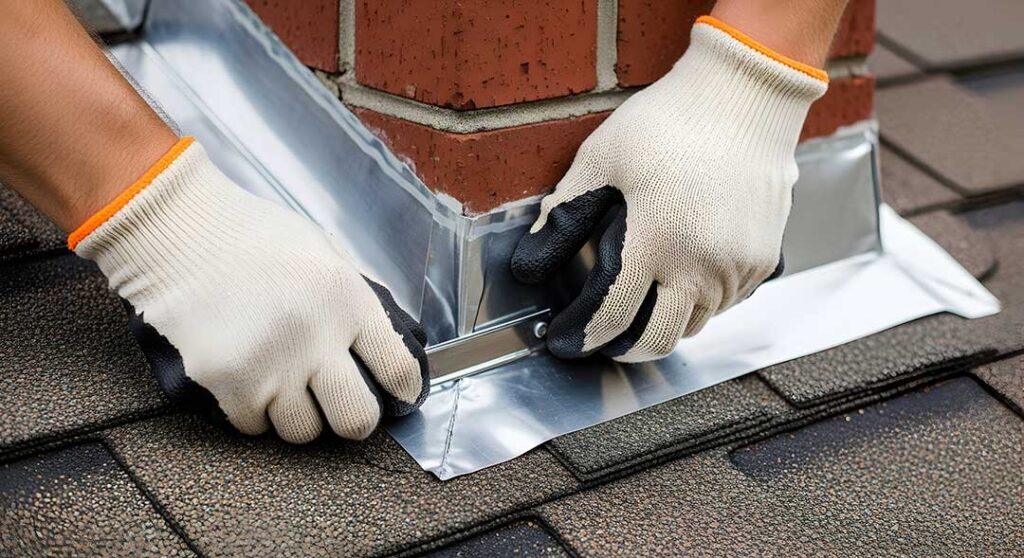
Why rooftop safety deserves planning
For homeowners in Clifton Springs, NY, roof maintenance can involve steep surfaces, wet weather, icy conditions, ladders, and hidden structural hazards. A task that appears simple from the ground—clearing leaves, checking flashing, or retrieving an item—can become dangerous within seconds.
The safest approach is to decide first whether the task truly requires stepping onto the roof. Many inspections can be completed from the ground, from an upper window, or with binoculars. If roof access is necessary, proper footwear, stable equipment, favorable weather, and a clear exit plan matter more than speed.
Is it safe to walk on a residential roof?
A residential roof is not automatically safe to walk on, even when it looks dry and intact. Roofing materials can become slippery from dew, algae, frost, dust, or fine granules. Roofs may also have weak areas hidden beneath shingles, especially near older repairs, valleys, skylights, chimneys, and roof edges.
Avoid walking on a roof when:
- Rain, snow, ice, or frost is present.
- Wind makes balance difficult or could shift a ladder.
- Shingles appear loose, curled, cracked, or heavily worn.
- The roof has a steep pitch or multiple levels.
- There are overhead utility lines near the work area.
- You do not know where the roof decking, vents, or skylights are located.
- You feel rushed, tired, dizzy, or uncomfortable with heights.
Wet and freezing conditions deserve particular attention in this region. Seasonal moisture can remain on shaded roof sections even after surrounding surfaces appear dry. During winter, snow can hide roof edges, ice dams, damaged shingles, and weak decking.
What should homeowners inspect from the ground?
A ground-level inspection is often the safest first step. Use binoculars if needed, and look for changes rather than attempting to examine every shingle individually.
Check for:
- Missing, cracked, curled, or darkened shingles.
- Exposed underlayment or wood.
- Sagging roof lines.
- Damaged or displaced flashing around chimneys, vents, and wall intersections.
- Gutters pulling away from the fascia.
- Granules collecting in gutters or at downspout outlets.
- Moss or algae that may indicate persistent moisture.
- Water stains on exterior walls, ceilings, or attic framing.
- Branches resting on the roof or rubbing against it.
A roof that sags may have a structural problem rather than a simple covering issue. Do not climb onto a visibly sagging section. The same caution applies after a fallen branch, heavy storm, or suspected impact.
How should a ladder be used near the roof?
Ladders are a frequent source of falls because they can slide, tip, or be positioned at an unsafe angle. Set the ladder on firm, level ground, not on snow, loose gravel, wet grass, boxes, or improvised blocks.
Before climbing:
1. Inspect the ladder for bent rails, damaged feet, loose hardware, or contamination such as mud and oil.
2. Keep the area below clear of children, pets, tools, and traffic.
3. Position the ladder according to the manufacturer’s instructions.
4. Extend it high enough to provide a secure handhold when stepping onto a permitted landing surface.
5. Maintain three points of contact while climbing.
6. Keep the belt buckle between the rails rather than leaning sideways.
7. Never carry bulky materials while climbing.
8. Have another adult stabilize the ladder when conditions are uncertain.
A ladder should not be used near overhead electrical conductors. Even a ladder that does not touch a wire can become dangerous if it shifts or if a long tool makes contact.
What personal equipment reduces risk?
Proper equipment does not make a hazardous roof safe, but it can reduce preventable slips and falls. Wear footwear with clean, slip-resistant soles and avoid smooth-soled shoes, sandals, and loose footwear. Clothing should allow full movement without dangling cords or straps that can catch on roof features.
Useful precautions may include:
- Work gloves that improve grip without reducing control.
- Eye protection when clearing debris or working near brittle materials.
- A properly fitted fall-protection system when the roof design and equipment support its safe use.
- A tool belt or secured container instead of carrying loose tools.
- A charged phone kept on the ground or in a secure pocket for emergencies.
- A spotter who knows where the work is taking place.
Do not improvise fall protection with rope, ordinary clothing, chimney parts, plumbing, vents, or other features that were not designed as anchors. Fall-arrest equipment requires correct selection, setup, clearance, and training. Incorrect use can create a false sense of security.
Which roof tasks are unsafe for do-it-yourself work?
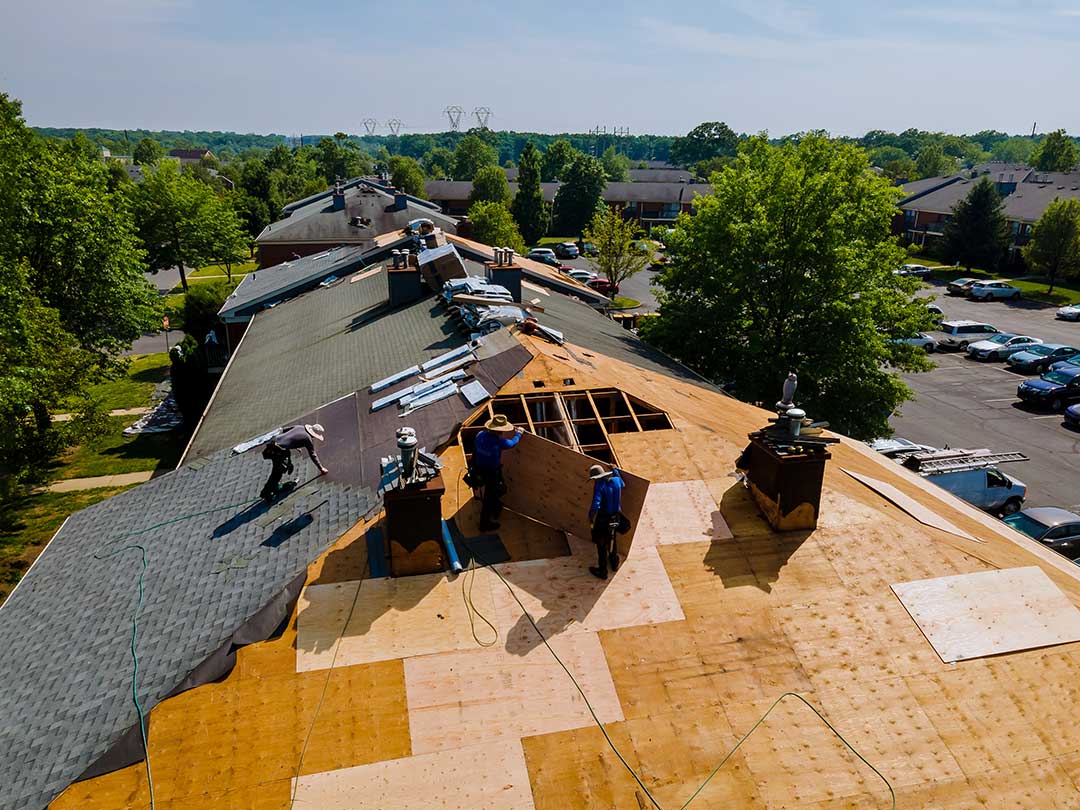
Some jobs involve hazards beyond slipping. Removing snow, repairing flashing, entering a damaged attic, and handling storm debris may expose a homeowner to concealed nails, broken materials, mold, electrical hazards, or unstable framing.
Extra caution is needed when:
- A tree or large limb has struck the roof.
- Water is entering near electrical wiring or light fixtures.
- The roof deck feels soft or bouncy.
- A chimney, vent, or skylight is loose.
- Ice has formed along the eaves.
- Fire, smoke, or strong burning odors are present.
- The work requires walking near an unprotected edge.
- The task involves cutting, torching, or using powered equipment on a roof.
A roof with storm damage should be viewed from a safe location first. Do not climb onto or beneath a visibly unstable area. If there is an immediate threat to people or the structure, leave the area and use appropriate emergency resources.
How can homeowners check an attic safely?
Attic inspections can reveal roof leaks without requiring outdoor roof access, but the attic itself has hazards. Step only on structural walking surfaces or securely installed boards. Do not place weight on the insulation between ceiling joists, because the ceiling below may not support a person.
Use a flashlight to look for:
- Damp insulation.
- Water stains or darkened wood.
- Daylight visible through the roof covering.
- Condensation on nails or roof sheathing.
- Mold-like growth or musty odors.
- Crushed, displaced, or missing insulation.
- Signs of animals or insect activity.
Avoid touching wet electrical components, exposed wiring, or damaged ceiling materials. If the attic is extremely hot, poorly ventilated, contaminated, or difficult to enter and exit, leave it rather than attempting a prolonged inspection.
What should happen after a storm?
After strong wind, heavy rain, or a winter storm, inspect from the ground before setting up a ladder. Look for branches, displaced materials, hanging gutters, and changes in roof shape. Keep clear of downed lines and assume that any nearby wire may be energized.
Do not use a roof, ladder, or attic during active lightning, high winds, or freezing precipitation. Take photographs from safe locations for personal records, but do not risk a fall to document damage closely.
Rooftop safety is largely a matter of recognizing limits. Ground-level observation, careful ladder placement, suitable weather, and a willingness to stop can prevent many injuries. For homes with steep roofs, structural damage, electrical concerns, or significant storm impact, staying off the roof is often the safest decision.
