
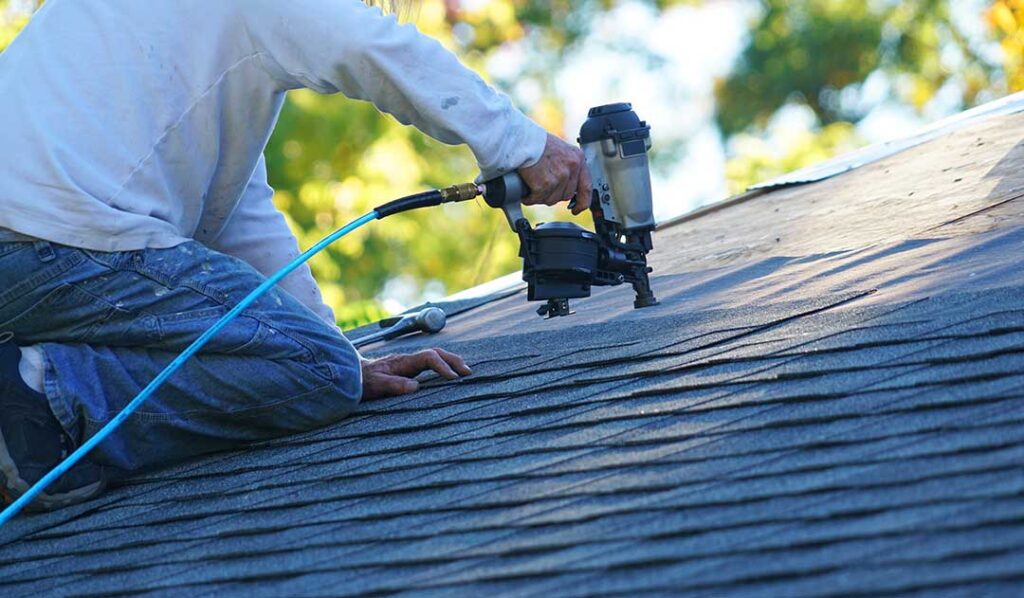
What Counts as a Roofing Emergency in Clifton Springs, NY?
A true roofing emergency in Clifton Springs, NY often means sudden damage that puts your home's interior or your safety at risk. Common local causes include severe wind gusts during spring storms, heavy winter ice accumulation, fallen branches from mature trees, or leaks after prolonged rain.
Most area homes feature asphalt shingles, and older properties may face unique challenges due to age or previous repairs. Immediate concerns typically involve water leaks, exposed wood, or structural damage if the roof deck is compromised. Any situation where water is actively entering the living space or where ceiling collapse seems possible deserves prompt attention.
What Should Clifton Springs Residents Do First After Noticing Roof Damage?
The initial response should focus on safety and minimizing further damage. Don't climb onto the roof, especially during a storm or freezing conditions, as surfaces can be slippery and hazardous.
Start by:
- Moving valuables and electronics away from the intrusion point.
- Placing buckets or waterproof containers under leaks to collect dripping water.
- Using tarps, plastic sheeting, or even heavy towels to cover flooring where water is pooling.
- If accessible and safe, shutting off the circuit breaker for any lighting fixtures directly below a roof leak.
It’s a misconception that small leaks can wait until the weather improves; even minor water entry can lead to mold growth or damaged insulation within hours.
Can You Temporarily Patch a Damaged Roof Yourself?
Temporary patching is sometimes possible, but only when it can be done safely and weather conditions allow. Residents of Clifton Springs, where winter ice and spring rainfall are common, may find it useful to keep supplies like outdoor-grade tarps, roofing nails, and a reliable extension ladder on hand.
If the damaged area can be safely reached from the ground or an upper window, a properly secured tarp may reduce water entry until further repairs are possible. Do not attempt major fixes or step onto icy, wet, or windblown roofing materials. Many accidents happen when residents misjudge the stability of shingles or underestimate wind force, especially on steeper local roof pitches.
How Can You Limit Interior Water Damage?
Once the roof is compromised, quick action indoors can help minimize secondary damage:
- Remove attic insulation directly under the leak if it becomes saturated to prevent ceiling collapse.
- Wipe up standing water promptly and ventilate the area with fans, provided there is no risk of electrical hazard.
- Open attic access (if available) to improve airflow and discourage mold growth, especially if leaks occur during the humid summer months.
- Photograph the damage for your records; this will help with insurance processes and later repairs.
Some homeowners mistakenly believe small ceiling stains are harmless. In fact, water wicking along rafters or wiring can create hidden problems elsewhere in the home.
Do You Need to Notify Your Insurance Company Immediately?
In many emergencies, prompt documentation helps if your roof is covered under most typical homeowners insurance policies in Clifton Springs. Take photos or videos of the damage as soon as it’s safe, both outside and from the attic or living space below. File a claim as soon as possible, since some policies require notification within a limited period after the event.
Keep a record of:
- Date, time, and a brief description of the incident (such as “tree branch fell during windstorm”).
- All temporary repairs attempted.
- Any receipts for materials purchased for emergency fixes.
A frequent misconception is that all roof leaks are covered; damage resulting from wear, lack of maintenance, or slow leaks may be excluded, so review your policy details if you are unsure.
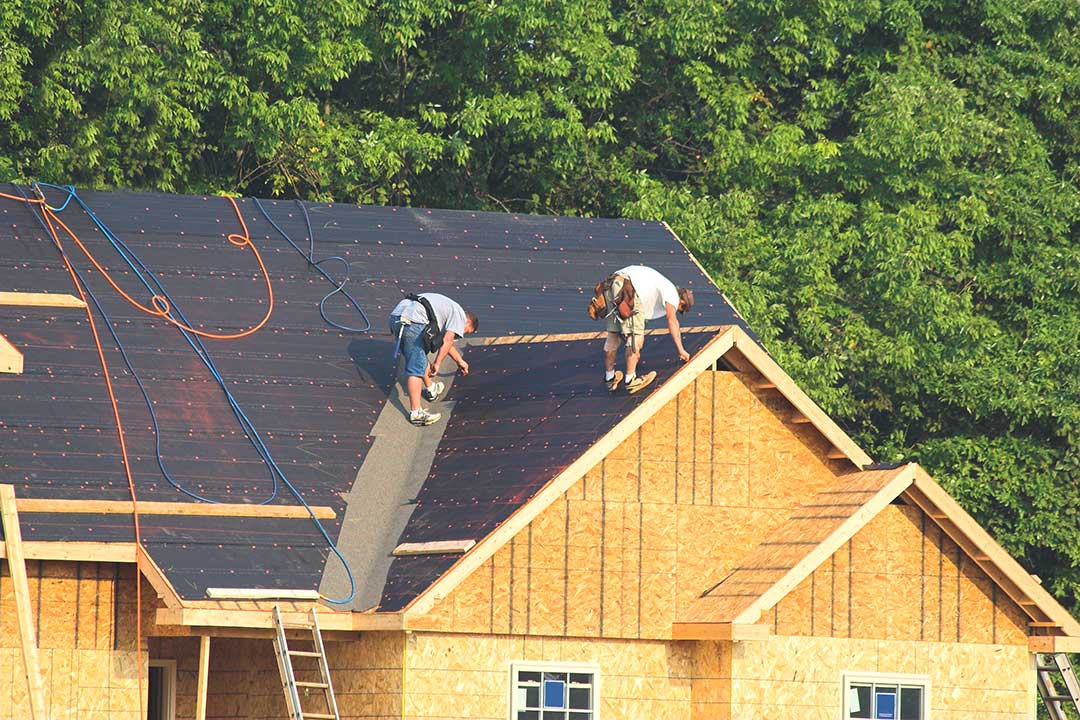
When Is It Unsafe to Attempt Repairs Without Help?
Roof emergencies can present significant hazards. If there is structural sagging, downed power lines nearby, or visible fire risk after a storm, leave the area immediately. For the Clifton Springs area, winter ice dams and heavy snow loads are particular dangers—never try to remove large ice buildups yourself, as collapse or injury can result.
In these situations, securing your household and waiting for professional emergency services or first responders is the safest strategy. If you smell gas or notice electrical arcing, evacuate the home and call public safety services.
How Can Residents Prepare for Future Roofing Emergencies?
While sudden damage can’t always be predicted, a few steps will make handling emergencies less stressful:
- Make regular visual checks of attic ceilings, especially after wind-driven rains or winter thaws.
- Keep an emergency kit with a tarp, plastic sheeting, duct tape, flashlights, spare batteries, and a battery-operated weather radio.
- Know where your circuit breakers, attic access, and shutoff valves are located.
- Have contact information for your insurer and local emergency services handy.
- Trim tree limbs hanging over your roof when weather permits to reduce the chance of impact damage.
Many residents overestimate how much their roof can be tested by typical Finger Lakes weather. Even newer shingles can be compromised by one heavy storm or a sudden ice storm unique to this region.
What Common Mistakes Should Clifton Springs Homeowners Avoid?
- Climbing onto icy or wet roofs, even with proper footwear.
- Ignoring seasonal maintenance (cleaning gutters in autumn and inspecting for ice dams in winter).
- Relying solely on bucket collection, which does not prevent long-term damage.
- Thinking a DIY solution will suffice when the roof structure is visibly sagging or when water is entering around electrical wiring.
Paying prompt attention and erring on the side of caution can help local homeowners avoid larger, more expensive issues later.
