
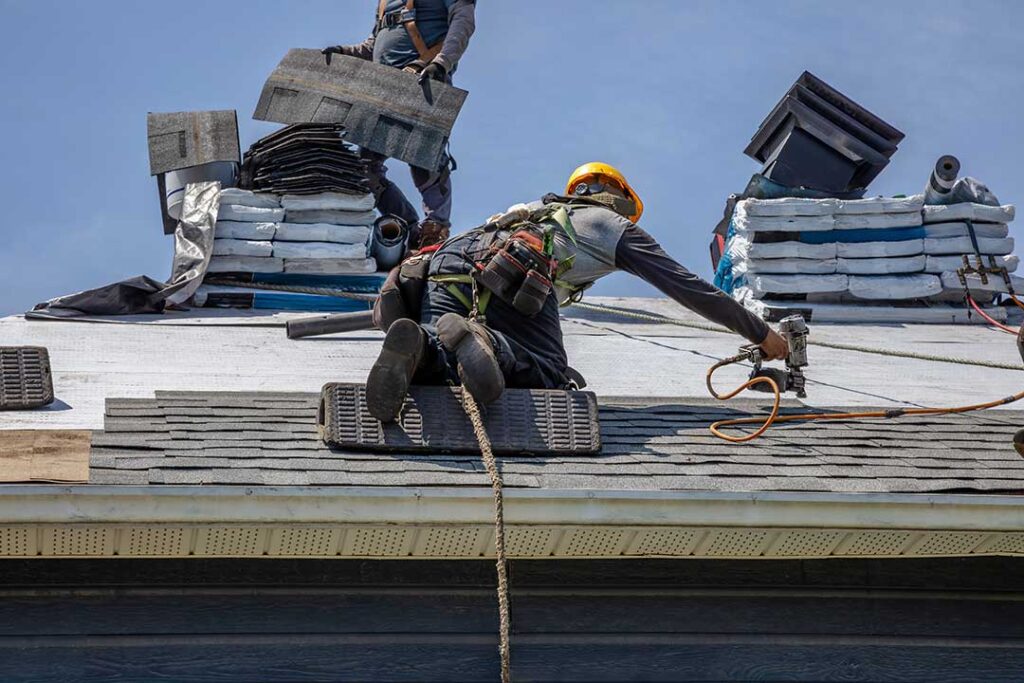
Why do building codes matter for a roof?
Building codes establish minimum requirements for safe roof design, installation, repair, drainage, ventilation, fire resistance, and energy performance. For homeowners in Clifton Springs, following those requirements helps a roof withstand seasonal weather while reducing the risk of hidden defects, water intrusion, structural damage, and future permitting problems.
A roof is more than its visible shingles or metal panels. The complete roof assembly can include:
- Roof coverings
- Underlayment and flashing
- Roof sheathing
- Structural framing
- Insulation and ventilation
- Gutters, drainage components, and roof penetrations
A change to one part can affect the performance of the entire system. Building codes provide a consistent safety baseline so that roofing work is not based solely on appearance or short-term weather protection.
New York State’s Uniform Code contains legally enforceable construction requirements, including the Residential Code, Building Code, Energy Code, Fire Code, and Property Maintenance Code. The applicable requirements depend on the type of building and the work being performed. ([nysl.nysed.gov](https://nysl.nysed.gov/reference/building?utm_source=openai))
Does a roof replacement require a permit?
The answer depends on the scope of work and the rules enforced by the local permitting authority. A complete roof replacement, structural repair, changes to roof geometry, or work involving sheathing and framing may require a building permit. Minor maintenance may be treated differently.
Because permit requirements can change and may depend on the specific property, residents should verify the current requirement before work begins. The Village of Clifton Springs provides access to local forms, permits, documents, and code information through its municipal website. ([cliftonspringsny.gov](https://cliftonspringsny.gov/?utm_source=openai))
A permit is not simply paperwork. It generally creates a record of the work and allows required inspections to confirm that important parts of the roof system are installed correctly.
Questions worth asking before a project starts include:
- Is the work a repair, roof replacement, or roof recover?
- Will the existing roof covering be removed?
- Will damaged sheathing, rafters, or trusses be replaced?
- Are skylights, chimneys, vents, solar equipment, or other penetrations being changed?
- Does the work affect insulation or attic ventilation?
- Is a permit or inspection required for this property?
What do New York roof codes regulate?
New York’s residential roof provisions address more than shingle selection. They cover the design and construction of roof assemblies, including roof coverings, underlayment, flashing, drainage, ventilation, and wind resistance.
The 2025 Residential Code of New York State became fully effective on December 31, 2025. Permit applications submitted after that date generally must comply with the current 2025 code provisions, subject to applicable transition rules and official interpretations. ([dos.ny.gov](https://dos.ny.gov/notice-adoption?utm_source=openai))
For roof work, code requirements may address:
- Proper installation of flashing around walls, valleys, chimneys, and roof edges
- Wind resistance and fastening methods
- Protection against water intrusion
- Roof drainage and positive drainage
- Structural capacity for roofing materials and installation loads
- Attic ventilation and insulation
- Fire classification of roof coverings
- Conditions that must be corrected before a new roof layer is installed
These details matter in a four-season climate. Snow, freezing temperatures, ice, wind-driven rain, and repeated thawing can expose weaknesses that may not be obvious on a dry installation day.
Is placing new shingles over old shingles always allowed?
No. A roof recover may be permitted in some situations, but it is not automatically acceptable.
The current New York residential code allows a new roof covering over an existing one only when specific conditions are met. The existing roof must be suitable as a base, and the new materials must be installed according to approved manufacturer instructions. A recover is generally not permitted over certain materials, such as slate, clay, cement, or asbestos-cement tile, or where two or more existing roof-covering layers are already present. ([dos.ny.gov](https://dos.ny.gov/2024-residential-code-new-york-state-2024-rcnys?utm_source=openai))
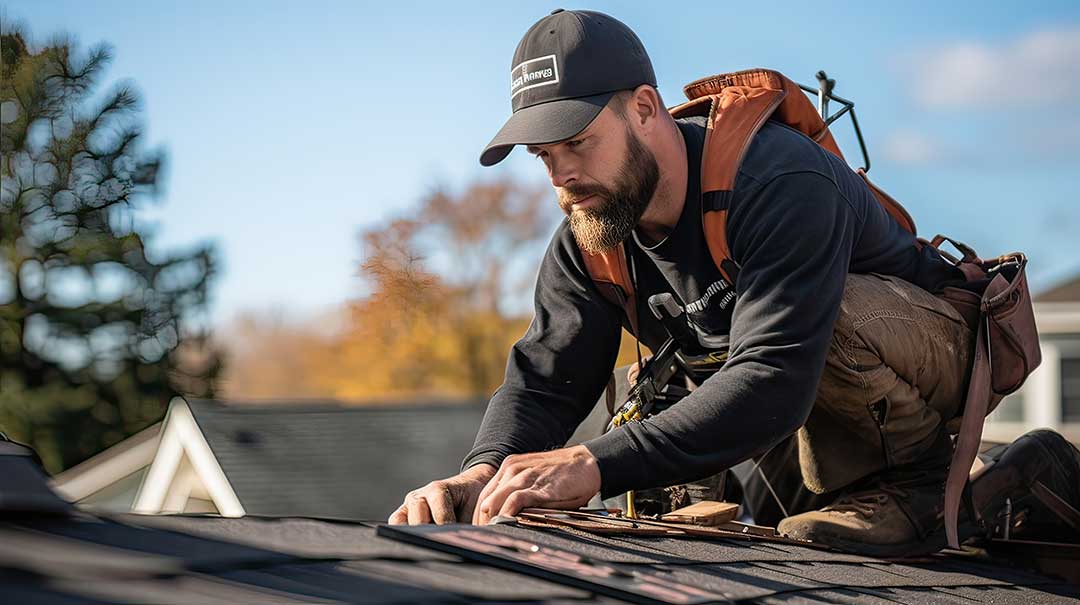
A roof should not be covered over when the existing sheathing is water-soaked, deteriorated, or unable to support the additional roofing. Covering a problem can hide rot and make future repairs more difficult.
A practical example is an older roof with soft areas near a chimney or valley. Even if the shingles look serviceable from the ground, the underlying sheathing may not provide an acceptable base for another layer. Code requirements help prevent that condition from being concealed.
How do codes address snow, wind, and drainage?
Roof systems must be capable of handling the loads and weather conditions expected in their location. The structural roof components must support the roof covering as well as the materials and equipment used during installation. ([codes.iccsafe.org](https://codes.iccsafe.org/content/NYSRC2025P1/chapter-9-roof-assemblies?utm_source=openai))
For local homes, that means roof performance can depend on more than the covering itself. The slope, framing, sheathing, attachment methods, valleys, eaves, and drainage paths all contribute to durability.
Drainage is especially important during freeze-thaw cycles. Water that remains on a roof or backs up behind ice can reach areas that would normally stay dry. Proper flashing and drainage details help direct water away from walls, roof penetrations, and vulnerable edges.
Gutters and downspouts are also part of the overall water-management system, although replacing them may involve requirements different from those for roof replacement. Roof drainage should be considered together with the condition and placement of these components.
What happens when roof work does not meet code?
Noncompliant work can create safety, maintenance, insurance, and resale concerns. Possible problems include failed inspections, the need to remove and redo work, unrecorded improvements, water damage, inadequate structural support, or difficulty demonstrating that the roof was legally altered.
A code issue may not become visible immediately. For example, insufficient fastening may only become apparent after strong winds, while missing flashing may cause gradual moisture damage behind siding or inside attic spaces.
Building codes are minimum standards, not guarantees that a roof will last forever. Materials still age, storms still cause damage, and workmanship still matters. However, code-compliant construction reduces preventable risks and provides a measurable baseline for safe work.
Are older homes exempt from current roof requirements?
Older homes are not automatically exempt from all current requirements. Rules for existing buildings can differ from rules for new construction, and the exact treatment depends on the type and extent of the work.
A limited repair may be handled differently from a full replacement that exposes the roof deck, changes insulation, or modifies structural components. If a project uncovers deteriorated framing, inadequate ventilation, or other unsafe conditions, additional work may be required before the roof can be completed.
This is one reason a simple “same roof, new shingles” assumption can be misleading. The applicable code may depend on what is discovered after the existing covering is removed.
What should homeowners document before roofing work?
Keeping clear records can make future maintenance and property transactions easier. Useful documents may include:
- Permit applications and approvals
- Inspection results
- Invoices and material information
- Photographs of the roof deck before new covering is installed
- Notes about repaired framing or sheathing
- Information about insulation and ventilation upgrades
- Records of storm-related repairs
Residents should also avoid assuming that a permit, if required, can be obtained after work is finished without complications. The permitting authority may need to inspect concealed work, and some conditions are difficult to verify after the roof has been covered.
For Clifton Springs households, the most reliable approach is to confirm the current local requirement, understand whether the project is a repair or replacement, and make sure the roof assembly—not just the visible covering—meets applicable New York standards.
